
Different Types of Pointing: A Comprehensive Guide to Masonry Techniques
- December 3, 2025
- Brick Pointing
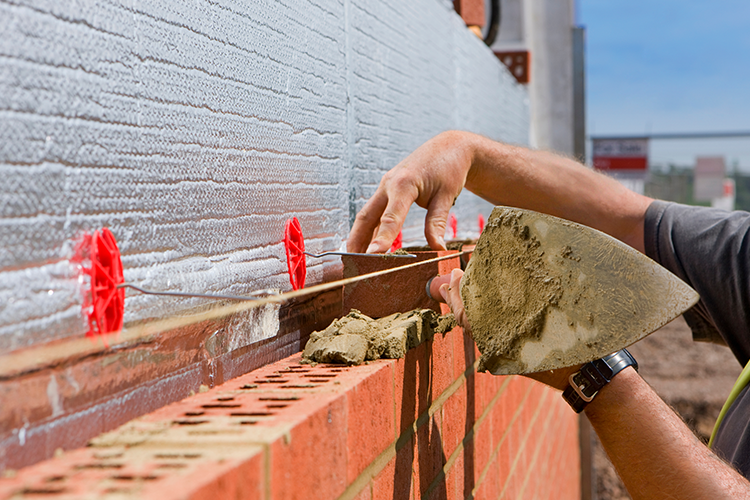
When it comes to maintaining the structural integrity and aesthetic appeal of your brickwork, pointing is a critical process that cannot be overlooked. Pointing refers to the process of repairing the mortar joints between bricks or stones in masonry structures. Over time, mortar joints can erode due to environmental exposure, water infiltration, and natural wear and tear. The process of brick pointing helps restore the durability of brickwork while also enhancing its appearance.
At Brick Pointing NYC, we specialize in all types of brick pointing and masonry restoration. In this comprehensive guide, we will explore the different types of pointing techniques used in masonry, highlighting their distinct advantages, applications, and when you should choose each method. By understanding these techniques, you can make an informed decision about which one is best for your property.
What is Pointing in Masonry?
Pointing in masonry refers to the method of finishing the mortar joints between bricks, stones, or blocks. This process helps restore the structural integrity of a building, ensuring that the bricks are securely held in place and protected from moisture and weather damage. Over time, the mortar used between bricks can deteriorate due to factors like weather conditions, moisture infiltration, and natural aging. This deterioration can lead to structural problems such as loose bricks, water infiltration, and even mold growth.
Pointing also serves as an aesthetic feature, creating a finished, uniform look for the brick facade. Whether it’s for a residential home, commercial building, or historic structure, maintaining or restoring the mortar joints is essential for both structural and visual appeal.
Types of Pointing Techniques
There are several types of pointing techniques, each suited to different purposes and desired aesthetics. Let’s explore the most common brick pointing methods used by masonry contractors in New York City.
1. Flush Pointing
What is Flush Pointing?
Flush pointing is one of the most straightforward and commonly used methods. In this technique, the mortar is applied to the joints and finished so that it is level with the surface of the brick. The result is a flat, even mortar joint that offers a simple and clean look.
When to Use Flush Pointing?
Flush pointing is ideal for residential homes or structures that are not exposed to heavy weather. It is a quick and economical solution for maintaining the mortar joints in areas where the visual appearance is important, but weather resistance is not as critical. It’s a preferred choice when the focus is on achieving a uniform and neat finish without intricate detailing.
Benefits of Flush Pointing
- Simple and neat appearance
- Economical and quick to apply
- Suitable for interior and sheltered exterior applications
2. Recessed Pointing (V-Pointing)
What is Recessed Pointing?
Recessed pointing (also known as V-pointing) involves creating a slightly indented joint between the bricks. The mortar is applied, then recessed slightly from the brick’s face, creating a clean, angular line that enhances the aesthetic appearance of the masonry. This method is ideal for buildings where the brick lines should be sharply defined.
When to Use Recessed Pointing?
This technique is commonly used for historic buildings, where the goal is to preserve the traditional appearance of the brickwork. The recessed joints emphasize the brick’s visual appeal, creating a clean, defined look. It is also used for facades where you want to highlight the brickwork and create a subtle contrast between the mortar and the bricks.
Benefits of Recessed Pointing
- Enhances the appearance of brickwork by creating sharp, clean lines
- Ideal for historic restoration and decorative facades
- Offers a timeless, classic aesthetic
3. Weathered Pointing
What is Weathered Pointing?
Weathered pointing is a technique where the mortar joint is applied with a slight slope or angle, creating an outward-facing joint. This angled joint helps direct water away from the brickwork, preventing moisture from penetrating into the structure. This method is particularly effective at protecting the brickwork from rain and moisture.
When to Use Weathered Pointing?
This technique is best for buildings exposed to harsh weather conditions, particularly those in areas with heavy rainfall or extreme temperatures. Weathered pointing is commonly used in commercial buildings, industrial structures, and exterior brick walls where water infiltration could otherwise lead to serious damage, such as mold growth or deterioration of the bricks.
Benefits of Weathered Pointing
- Excellent at preventing water infiltration
- Directs rainwater away from the structure, protecting the masonry
- Ideal for exterior commercial buildings or masonry facades
4. Tuck Pointing
What is Tuck Pointing?
Tuckpointing is a specialized technique that involves applying two different colors of mortar to the joints. The first layer matches the color of the bricks, and the second, lighter-colored mortar is applied in a thin line down the center of the joint. This technique is used to create the illusion of narrow, finely finished joints, even when the mortar joints are not that thin.
When to Use Tuck Pointing?
Tuckpointing is used primarily for aesthetic purposes, especially when you want to restore the original visual appeal of a building. It’s ideal for historic buildings or commercial facades where the goal is to achieve a precise, clean look without needing to replace all of the mortar or bricks. This technique is also used when the mortar joints are still structurally sound, but the building requires a facelift to improve its curb appeal.
Benefits of Tuck Pointing
- Restores a clean, uniform appearance
- Mimics narrow joints to enhance the look of the brickwork
- Ideal for historic preservation and commercial buildings
5. Struck Pointing
What is Struck Pointing?
Struck pointing involves pressing the mortar slightly into the joint so that it is recessed and creates a slight groove. The edges of the mortar are beveled, which results in a smooth, neat joint that gives the brickwork a subtle but clean finish. It’s similar to flush pointing, but with more attention to detail.
When to Use Struck Pointing?
This technique is used when a slightly more polished finish is required than that offered by flush pointing. It’s suitable for both residential and commercial properties, providing a clean, understated look while enhancing the longevity of the mortar joints.
Benefits of Struck Pointing
- Smooth, clean finish
- Suitable for both residential and commercial buildings
- Durable and effective for moderate weather exposure
6. Extruded Pointing
What is Extruded Pointing?
Extruded pointing is a method of applying mortar to the joints using machinery or specialized tools. This allows for a more uniform and consistent application, making it ideal for large-scale masonry projects. The mortar is extruded into the joints, ensuring that the application is quick and efficient.
When to Use Extruded Pointing?
This method is most commonly used in large-scale commercial construction projects or for multi-story buildings, where uniformity and efficiency are key. It is less commonly used for residential or smaller projects, but it is highly effective for ensuring that large areas of brickwork are pointed with precision.
Benefits of Extruded Pointing
- Fast and efficient application
- Provides uniform consistency across large areas
- Ideal for large commercial projects or industrial buildings
Choosing the Right Pointing Technique for Your Property
The right pointing technique depends on several factors, including the condition of your brickwork, the environmental conditions, and your aesthetic preferences. Here are some considerations to help you decide which pointing method to choose:
- For properties exposed to weather or moisture: Opt for weathered pointing or tuckpointing for enhanced durability and protection against water.
- For decorative purposes or historical properties: Choose recessed pointing or tuckpointing for a refined, visually appealing finish.
- For residential properties or smaller areas: Flush pointing or struck pointing can offer a clean, subtle appearance without unnecessary complexity.
- For large-scale commercial or industrial projects: Extruded pointing is ideal for efficient, uniform application.
Conclusion
Understanding the different types of pointing techniques is crucial for selecting the right approach to maintain and restore your brickwork. Whether you’re dealing with brick pointing in NYC, restoring a historic facade, or simply maintaining a residential property, choosing the appropriate pointing method ensures that your building remains structurally sound, visually appealing, and protected against environmental wear.
At Brick Pointing NYC, we specialize in all types of brick pointing and masonry restoration services. Our team of experienced professionals is equipped to handle projects of any size, from small residential repairs to large commercial restorations. Contact us today to discuss your masonry needs and get expert advice on the best pointing technique for your property.
- Brick Pointing